
Mediterranean Traditional Medicine
Italian lifestyle
Italy is known for its Mediterranean lifestyle, which emphasizes a healthy diet, natural remedies, a balanced way of living and thermal baths.
The Mediterranean diet
Meal Planning
Plan your meals in a balanced way, including a variety of foods such as whole grains, fruits, vegetables, fish, legumes, nuts, and seeds. Pay attention to portion sizes to avoid excessive calories.
Prioritize Fresh Foods
Foster fresh, seasonal, and local foods. Buy local and organic products whenever possible.
Extra Virgin Olive Oil
Use extra virgin olive oil as your main source of fat, preferring steaming, grilling, or sautéing over frying.
Fish and Meat Consumption
Eat fish at least twice a week, preferring varieties rich in omega-3 fatty acids such as salmon, mackerel, and sardines. Limit your red meat intake and opt for lean cuts.
Legumes and Nuts
Add legumes such as beans, chickpeas, and lentils to your regular diet, either as a main dish or as a side dish. Snack on nuts such as walnuts, almonds, and hazelnuts.
Moderate cheese and dairy consumption
Eat hard cheeses in moderation and opt for low-fat dairy products such as Greek yogurt and cottage cheese.
Drink water and limit sugary drinks
Drink at least 1.5 liters of water and limit sugary drinks and fruit juices.
Maintain an active lifestyle
Follow a healthy diet and engage in regular physical activity.
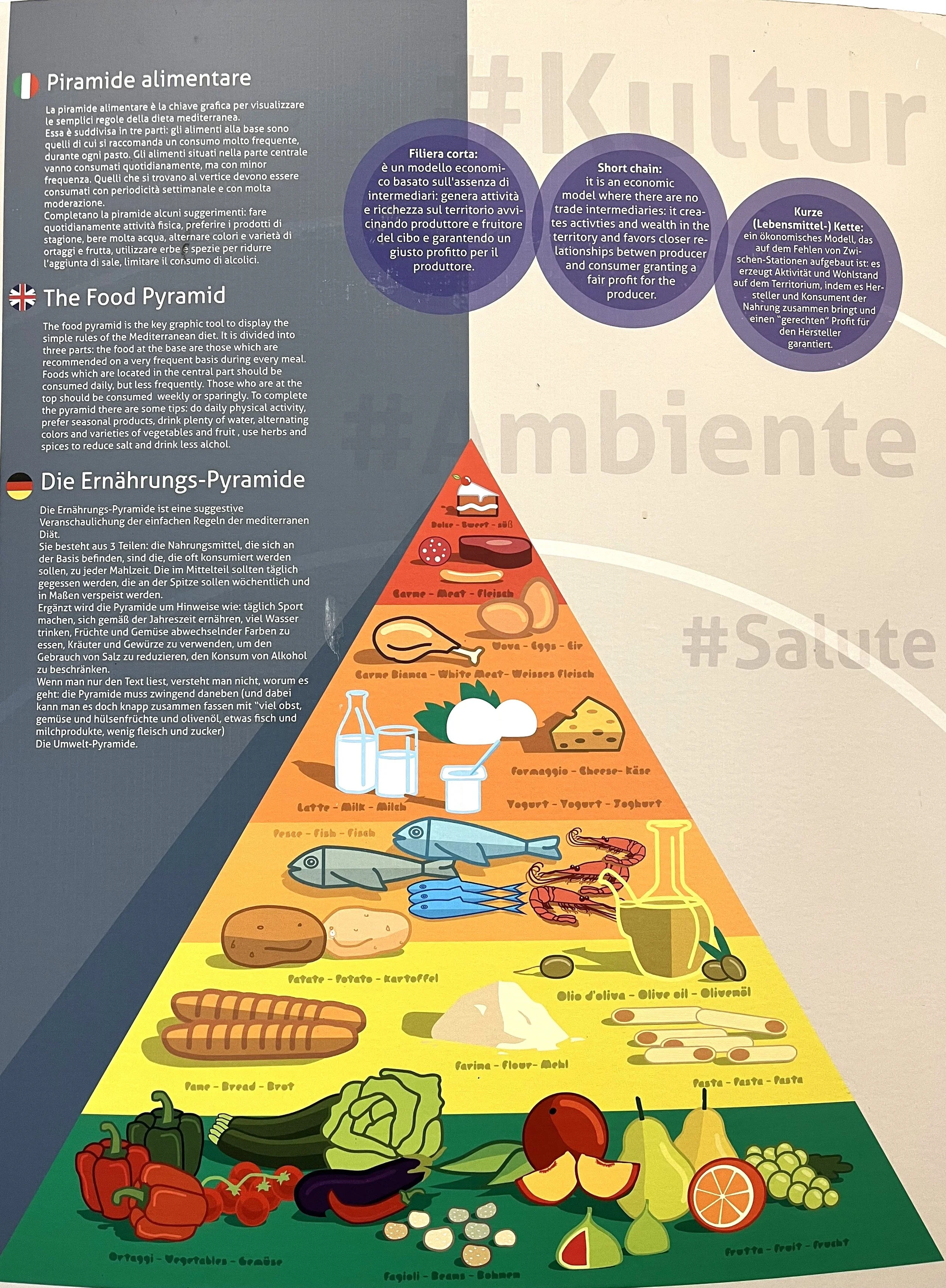
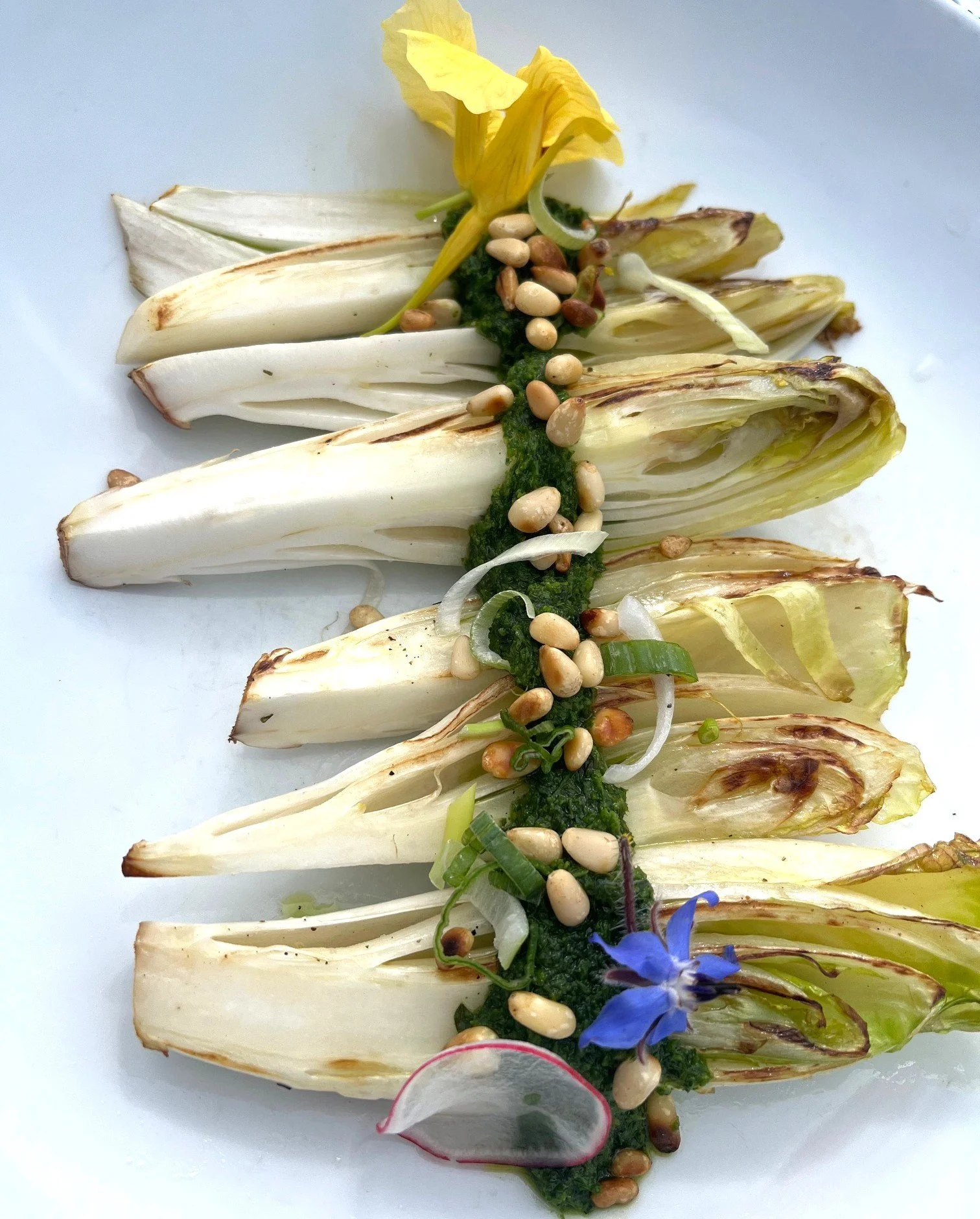
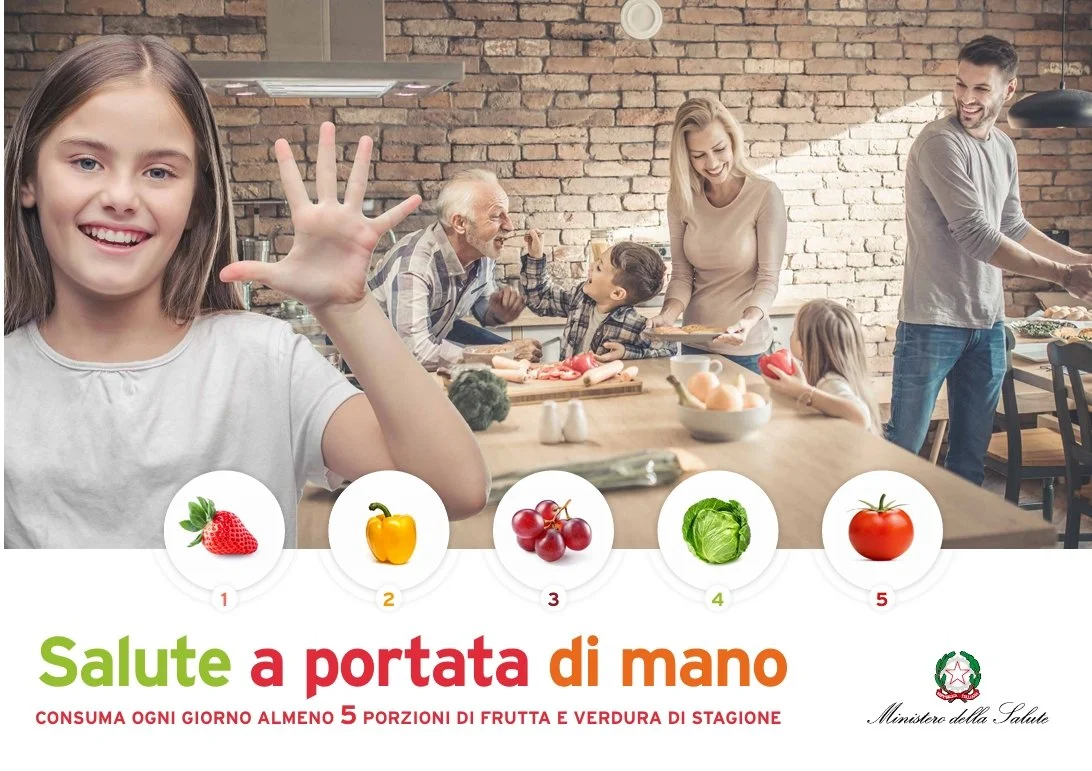
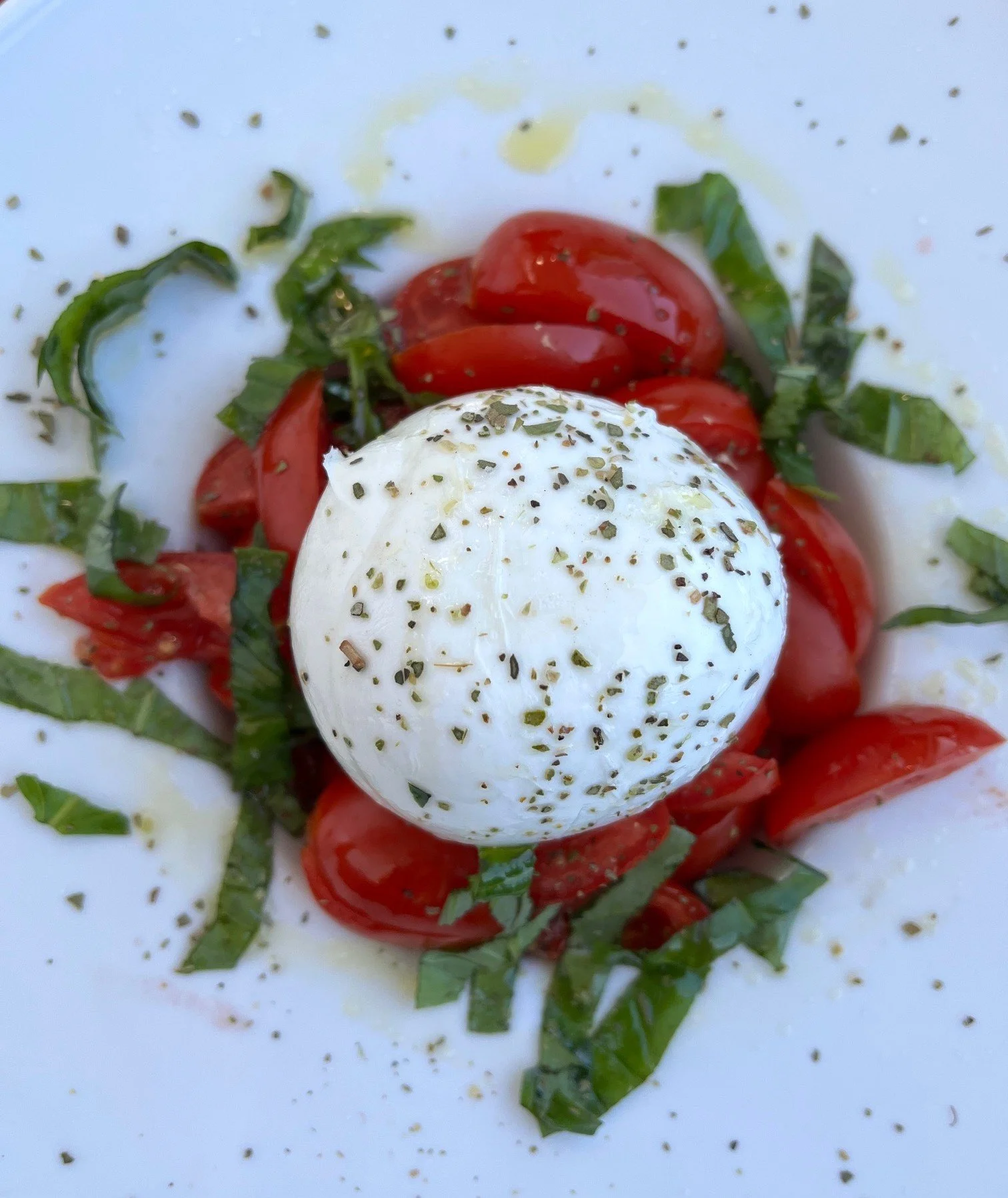
PHOTO: Italian Ministry of Health
MEDITERRANEAN HERBS
Popular Mediterranean herbs are used in Italy not only to cook but also for treating a variety of disorders.
Traditionally, herbs refer to leafy parts of plants, while spices is generally adopted for preparations from roots, seeds, root bark, berries, flower parts, fruits, or other plant parts.
Rosemary is a perennial plant whose extracts are used routinely for cooking, preservation of foods, nervous issues, headaches, digestive troubles, and as a herbal medicine for anti-inflammatory and antimicrobial applications.
Basil as a stress-relieving herb, helpful for those with asthma, headaches and supportive for those with Type 2 diabetes.
Sage is practically used for food preservation like rosemary. The herb is reputed as “cure-all,” in that it could heal any illness or disease. Most herbalists observe its effectiveness in cases of cold, flu, fever, female issues, and digestive troubles.
Licorice may be used in treating gastric and duodenal ulcers as it reduces stomach secretions and produces protective mucus for the lining of the digestive tract. Avoid if you have high blood pressure
Oregano is a fragrant and aromatic herb, native to the Mediterranean region. Oregano is used for digestive and respiratory complaints.
Thyme is a powerful plant that is native to the Mediterranean region. Traditional herbalists claim that thyme has the abilities to heal infections, colds, flu, and women’s complaints. It was also known to support gestive issues.